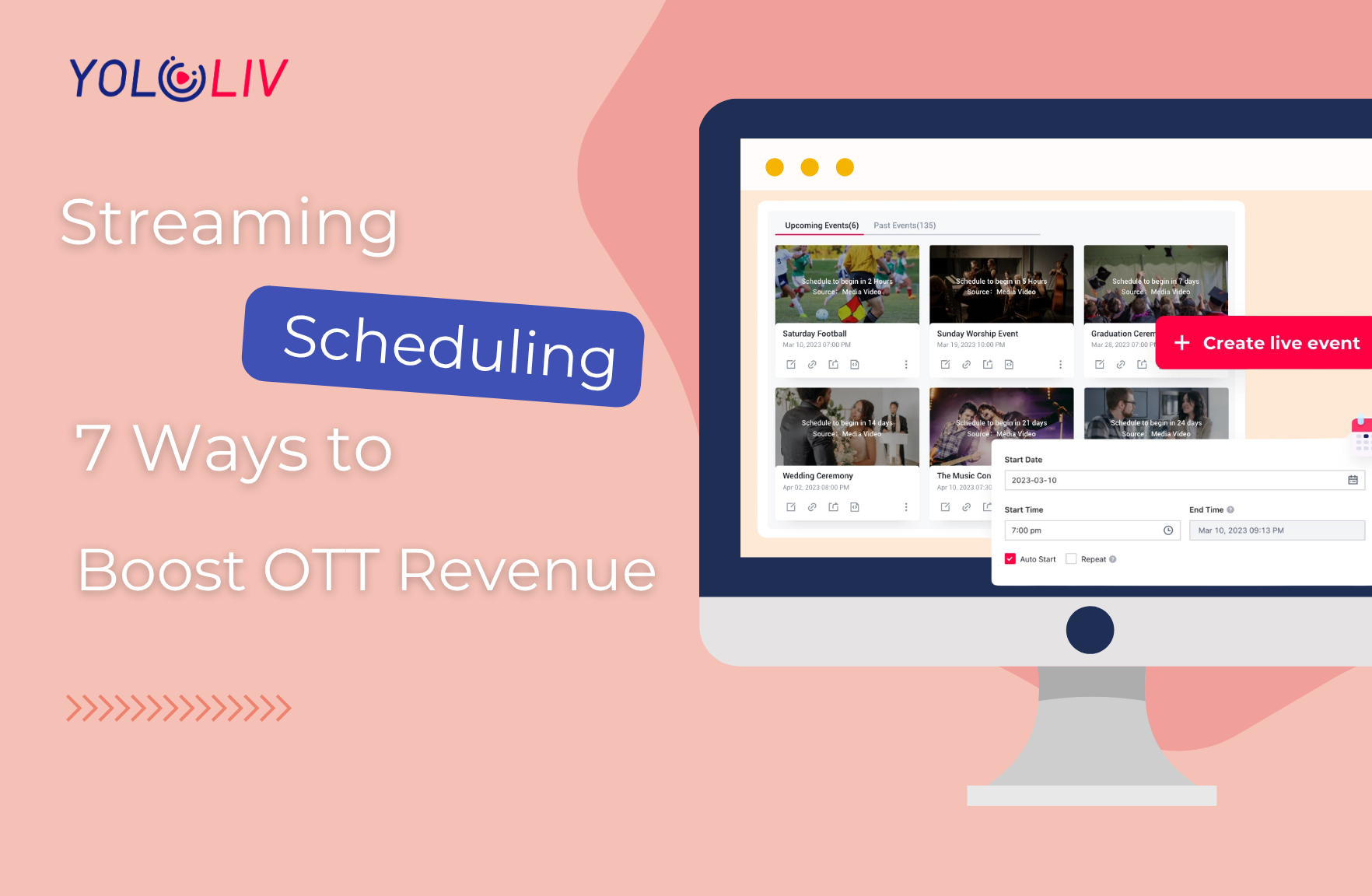
In today’s fast-changing digital world, streaming scheduling plays a key role in the success of modern OTT platforms. Whether you run a cam site, manage a content library, or produce live video, it helps to plan your streams in advance. Planning ahead can improve your results. It helps creators stay organized, reach more viewers, and build a strong monetization strategy.
According to Nielsen, audiences are spending more time streaming video than ever, especially on connected devices. This means creators and businesses must be smarter about how and when they deliver content.
Why Streaming Scheduling Is Important for Growth
Streaming scheduling is the process of planning when your live streaming or pre recorded video will go live. It may sound simple, but it has a powerful impact.
To begin with, it creates consistency. Audiences appreciate knowing when new content will arrive. When your schedule is clear, they are more likely to return. This improves loyalty and long-term growth.
Second, it helps increase engagement. When viewers are aware of the schedule for a live video, they’re more inclined to tune in as it happens. This is especially valuable for pay per view events, where precise timing is essential to generate revenue.
Third, it supports a scalable business model. With proper scheduling, you can plan campaigns, promotions, and special events more effectively.
RTMP vs SRT: Understanding Streaming Protocols
To deliver high-quality streams, you must choose the right streaming protocols. The most common comparison is RTMP vs SRT.
RTMP (Real Time Messaging Protocol) is widely used across many streaming platforms. Simple and reliable. Most tools and OTT platforms support it, making it a good choice for beginners.
On the other hand, SRT handles unstable network conditions. It provides better security and lower latency. This means your live streaming will be smoother, even with weak internet connections.
In short:
- Use RTMP for ease and compatibility
- Use SRT for better quality and stability
Choosing the right protocol improves both performance and user experience.
What Is Hybrid OTT Monetization?
Hybrid OTT monetization is a mix of different ways to earn money from your content. This approach is becoming more popular as audiences have different needs.
A typical hybrid model includes:
- Subscriptions for regular users
- Ad supported tiers for free access
- Pay per view for special events
This type of hybrid monetization gives you more flexibility. You can attract a larger audience and still make money from each group.
For example, many live privates platforms use this model. Users can pay for exclusive content while still enjoying free options. You can also see this trend in many LivePrivates reviews, where reviewers often highlight flexibility as a key advantage.
How Streaming Scheduling Supports Monetization
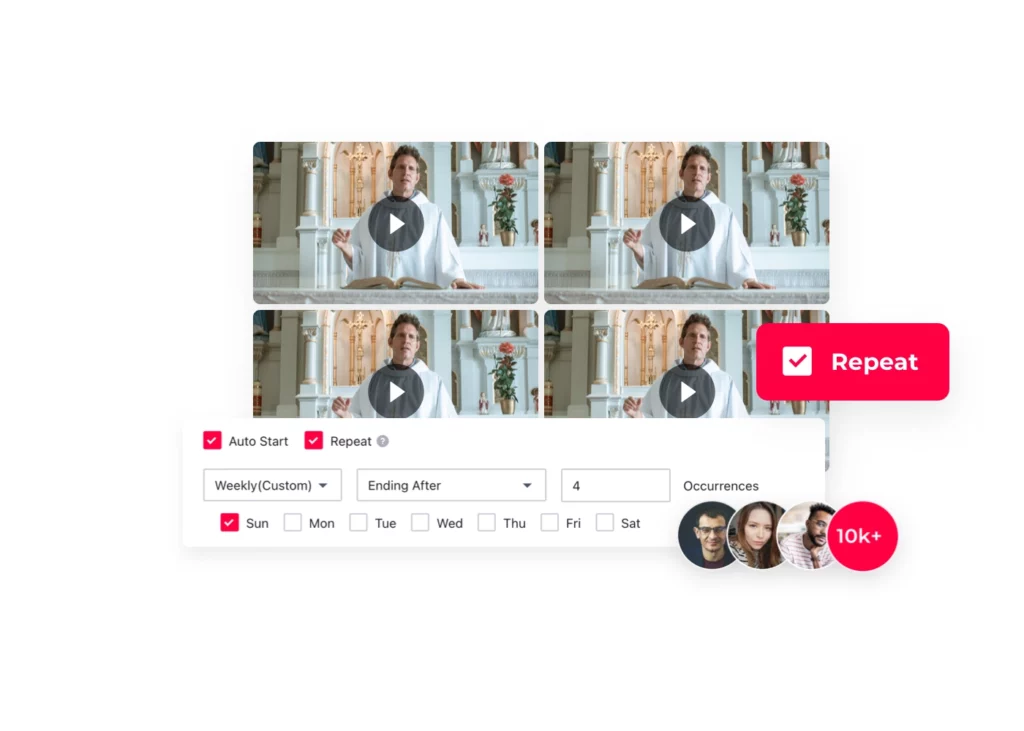
Streaming scheduling works hand in hand with your monetization strategy. When your content is well-timed, it becomes easier to promote and sell.
Here are some key benefits:
- Better promotion: You can advertise your stream before it goes live
- Higher attendance: More users join scheduled live video events
- Stronger revenue: Perfect timing boosts pay per view sales
Scheduling also helps manage your content library. You can reuse pre recorded video and release it at the best time for your audience.
Improving User Experience with Smart Scheduling
A good user experience is essential for success. Streaming scheduling makes your platform easier to use and more enjoyable.
When people understand what’s coming, they tend to feel more at ease. They can plan their time and avoid missing important content.
According to Nielsen, viewers prefer platforms that offer clear structure and easy navigation. Scheduled content helps meet these expectations.
It also reduces stress for creators. Instead of rushing to go live, you can prepare everything in advance. This leads to better quality live streaming.
Best Practices for Streaming Scheduling
To get the most from streaming scheduling, follow these simple tips:
- Set a regular schedule
- Keep your timing consistent so users can build a habit
- Know your audience
- Choose times when your viewers are most active
- Promote early
- Share your schedule on social media and email
- Mix content types
- Combine live video and pre recorded video
- Test and improve
- Track performance and adjust your schedule
These steps help you grow faster and improve your video streaming results.
Use Yolocast for Easy Streaming Scheduling
For a simple and powerful tool, try YoloCast. It supports streaming scheduling and improves your workflow.
👉 Learn more: https://www.yololiv.com/yolocast-overview
With YoloCast, you can:
- Schedule both live and recorded streams
- Manage different network conditions easily
- Deliver stable live streaming using advanced streaming protocols
- Build a strong hybrid monetization plan
It is a great solution for anyone working with OTT platforms or professional video streaming.
FAQs
1. What is streaming scheduling?
Streaming scheduling involves planning when you will publish your live streams or video content.
2. Why is streaming scheduling important?
It helps improve organization, increase engagement, and support better monetization strategy.
3. What is the difference between RTMP and SRT?
RTMP is easy and widely supported, while SRT is better for unstable network conditions.
4. What is hybrid OTT monetization?
A mix of subscriptions, ads, and pay per view content maximizes revenue.
5. How does scheduling improve user experience?
It helps users plan ahead and makes content easier to access and enjoy.
6. Can small creators use streaming scheduling?
Yes, it is useful for creators of all sizes and helps grow your audience over time.
Conclusion
Streaming scheduling is a simple but powerful tool for modern streaming platforms. It helps you stay organized, improve user experience, and increase revenue. When you use the right streaming protocols, it can improve your live streaming business.
Pair it with a smart hybrid OTT monetization strategy.
This can help your business grow.
By using tools like YoloCast and best practices, you can control your content. You can also build a stronger, more profitable future.
87 total views, 87 views today

Betty,As a Customer Success Specialist at YoloLiv, she is passionate about helping users understand YoloCast’s features and resolve day-to-day usage challenges. In addition to hands-on support, she creates practical articles that share tips, troubleshooting guidance, and best practices to help users get more value from YoloCast.